Small Retaining Wall Ideas
10 Professional Small Retaining Wall Ideas for DIY Homeowners
I’ve spent 40 years calculating lateral earth pressure as a retaining wall engineer I've seen every mistake in the book. I’ve watched timber rot, concrete heave and crack, brick lean and bow, while homeowners break their backs hauling stone for a result that looks "okay" at best.
If you’re hunting for small retaining wall ideas, you likely have a sloped yard, a drainage problem, or a desire to carve out more usable space. But in a small garden, every inch is high-value real estate. You don’t want a wall that is 12 inches thick, eating up your planting room.
Here is the professional’s guide to building a wall that is thin, permanent, and architecturally stunning.
The Reality of Standard DIY Retaining Walls
Most DIYers head straight for the big-box store. Before you load your ute, consider the trade-offs of the "standard" choices:
Pressure-Treated Timber: It’s cheap today, but it’s mulch in a decade. It bows under the weight of wet soil and leaks chemicals into your vegetable patches.
Concrete Blocks: They are heavy (often 40+ lbs each) and require a deep, perfectly level gravel trench. If your foundation isn't flawless, the wall will crack and lean within two winters.
Natural Stone: A jigsaw puzzle that requires a master’s touch. Without professional masonry skills, it often ends up looking like a pile of rocks rather than a structural feature.
Concrete Sleepers slotted into galvanised H-posts, the heavy 80kgs sleepers are hard work to move and install, with an "unnatural" aesthetic that lacks warmth or charm
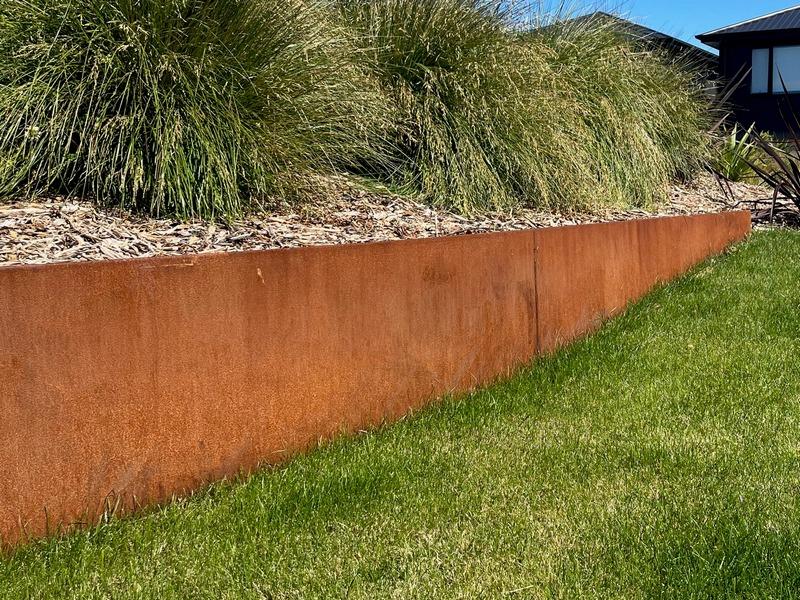
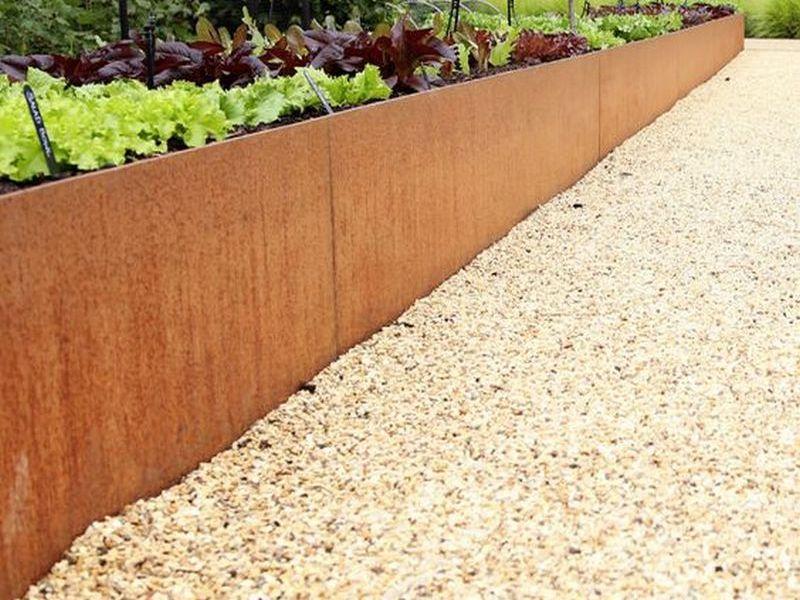
The Modern Alternative: Modular Corten Steel
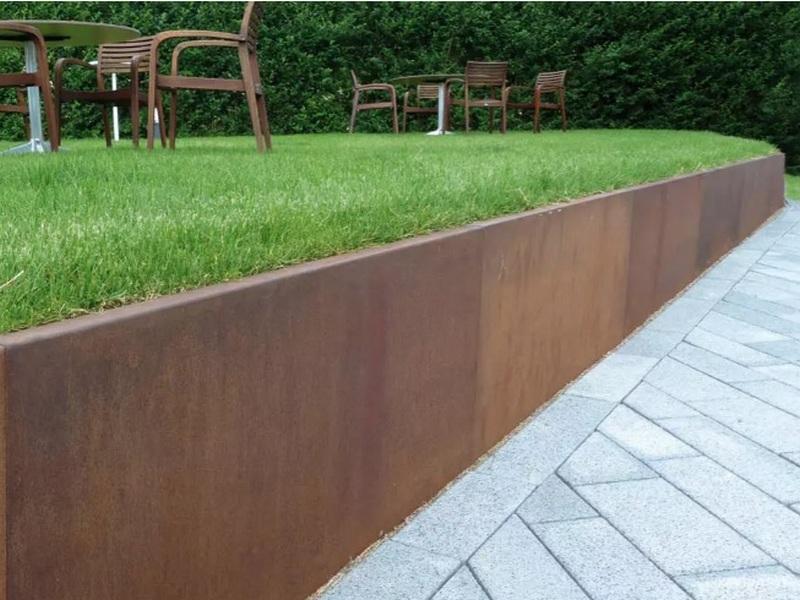
When space is tight, use corten steel.
Why Corten is the Ultimate Small Retaining Wall Idea:
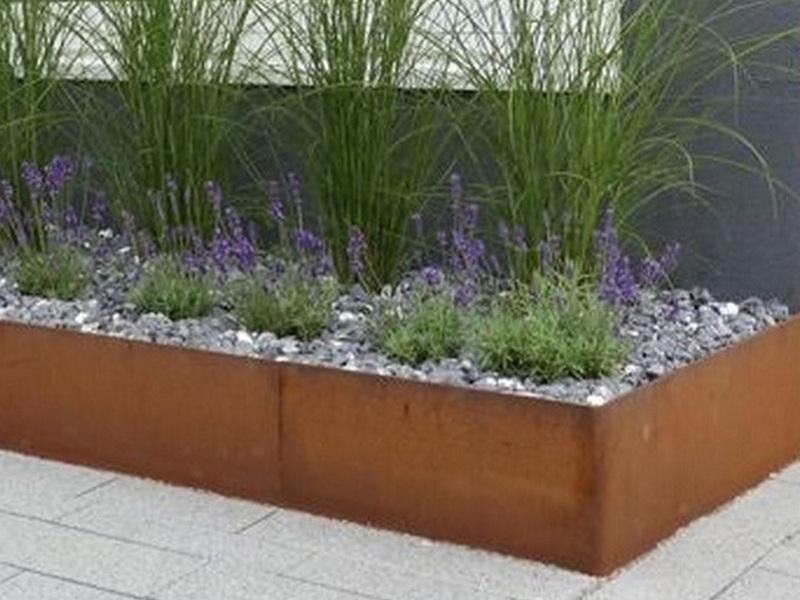
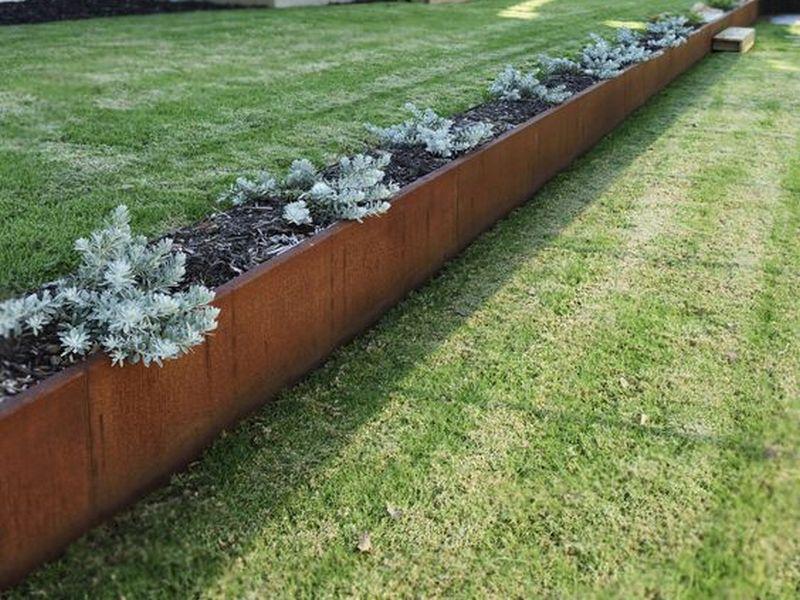
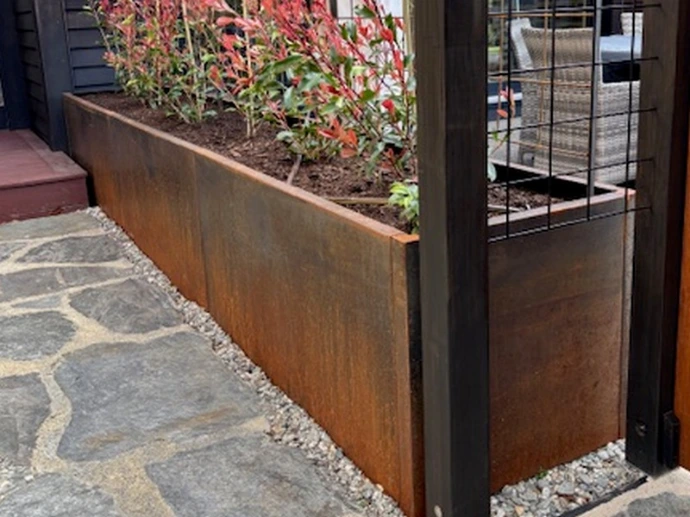
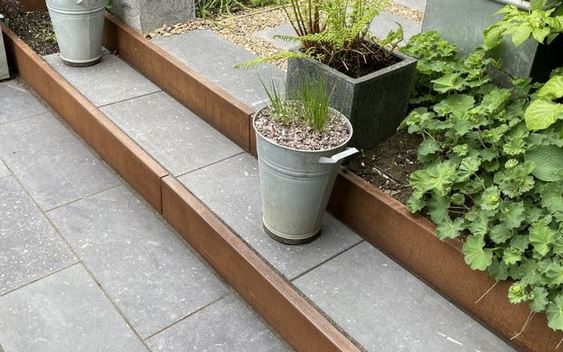
Space-Saving Profile: At only a few millimeters thick, you gain nearly a foot of garden space compared to stone blocks.
Structural Efficiency: Steel handles the "kick" of clay soil by flexing rather than cracking.
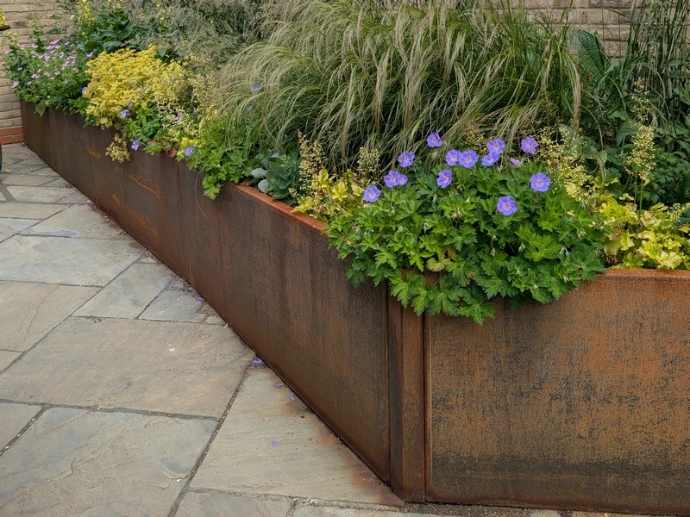
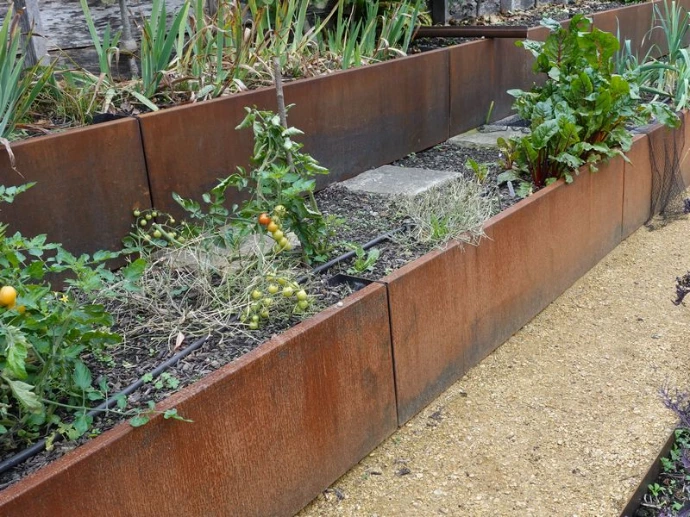
Zero-Maintenance Patina: Corten arrives as raw, grey industrial steel. After a few rainfalls, it develops a dense, protective oxide layer. It doesn't "rust away"—it seals itself in a velvet-textured, burnt-orange skin that looks better every year.
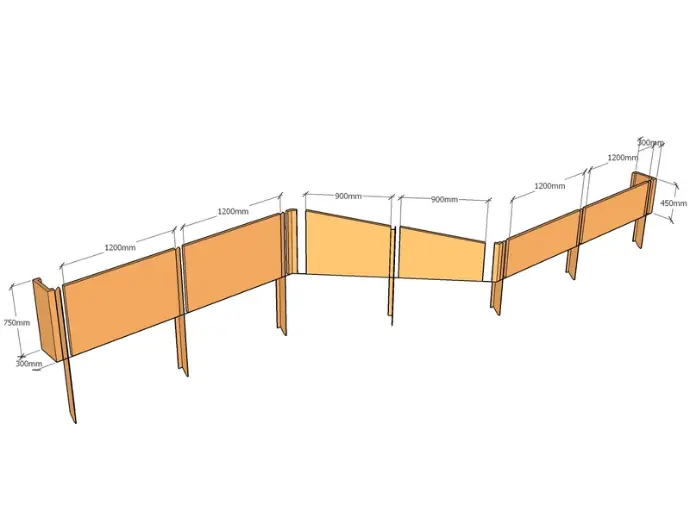
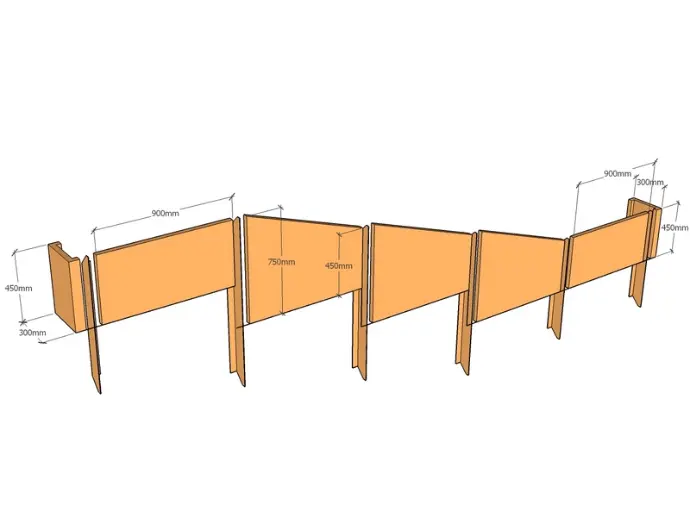
DIY-Friendly Engineering: These kitsets are precision-engineered to bolt together. No welding, no heavy machinery, and no guessing on the structural math.
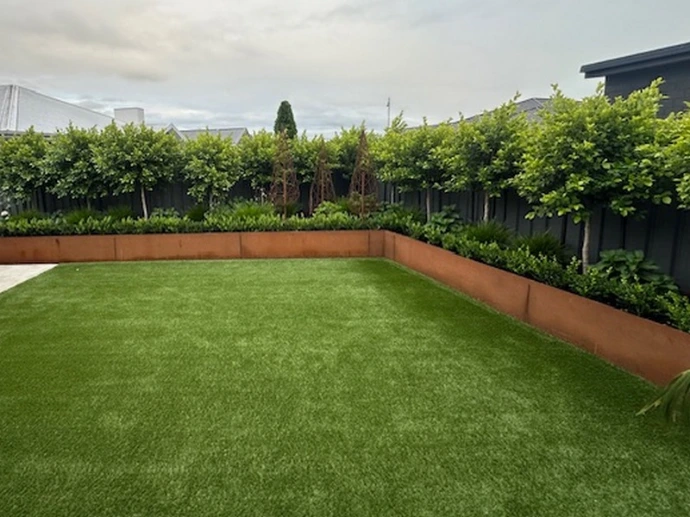
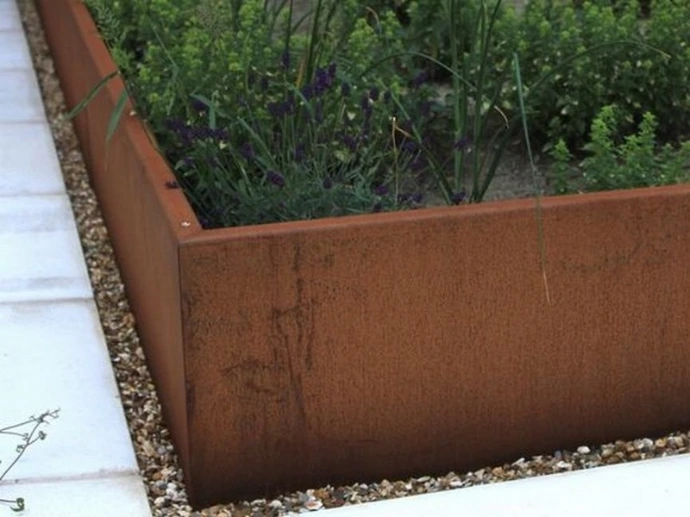
Pro-Grade Installation Secrets
A wall is only as good as the physics behind it. If you want a result that makes the neighbours jealous, follow these rules:
1. The Foundation is Everything
Even the best modular retaining wall will fail on soft mud. Set the support posts in deep concrete pile holes. This creates an invisible anchor.
2. Manage the Water
Hydrostatic pressure—the weight of water trapped in the dirt—is what kills walls. Install a 4-inch perforated drainage pipe behind your Corten panels and backfill with clean gravel. This allows water to drop straight to the base and away from the wall.
3. The "Rust" Runoff
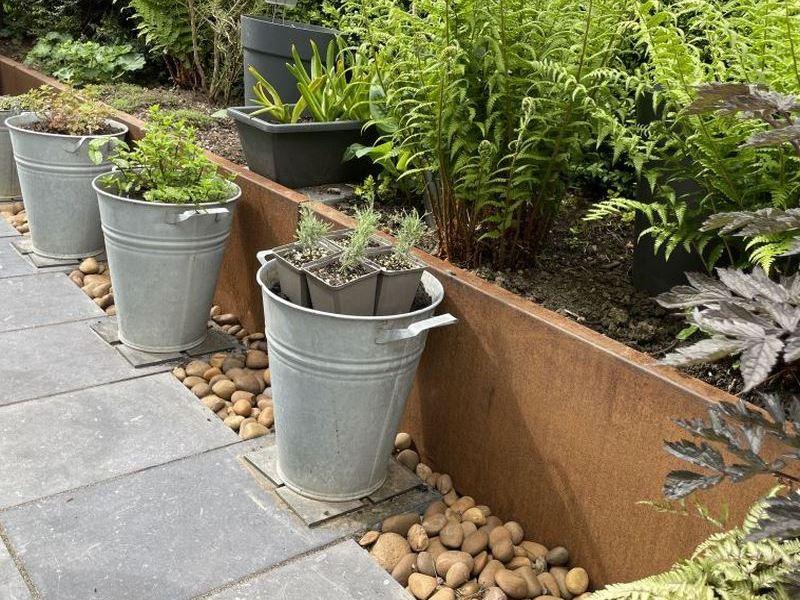
During the first few months, the steel will shed some oxide as it forms its patina. Install a small gravel "drip strip" at the base of the wall to prevent staining
Build It Once. Build It Right.
Modern landscaping isn't about how much weight you can lift; it’s about how smart you can engineer the space. Using a modular system from cor-ten-steel.com.au allows you to achieve a crisp, architectural finish that you can carry through a standard garden gate.
You get a permanent, structural line that defines your garden and looks better every time it rains. It’s the professional’s shortcut to a high-end yard without the contractor’s price tag.
Would you like me to help you calculate the specific number of Corten modules you'll need based on your wall's height and length?
Then email [email protected] with pics and sketches.
Frequently Asked Questions
Does Corten steel rust all the way through?
No. That is the magic of weathering steel. The outer layer oxidizes to form a protective coating that seals the inner steel from oxygen. It rusts to protect itself, unlike mild steel which rusts away.
Is it safe for vegetable gardens?
Yes. Corten steel is non-toxic and safe to use around edibles. It does not leach harmful chemicals into the soil like treated pine often can.
Not sure what to order?
Please email us pic/sketches of your project, we will then get back to you with suggested parts and costings.
21st Mar 2026